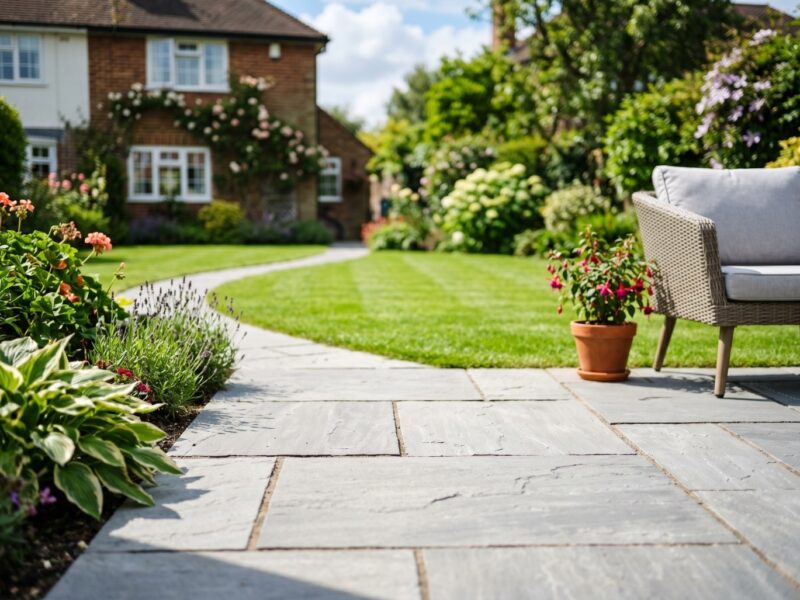

Flowering shrubs are a fantastic addition to any garden to add a splash of colour and interest in what can be large swathes of green in the garden! Shrubs make great borders and can frame the lawn , and can be fairly easy to care for if you choose smaller ones. A large proportion of the shrub is often evergreen, meaning you will have colour and structure in your garden all year round. Before you plant any shrubs, take into consideration the potential spread and growth of the shrub in your garden plus whether the soil condition you have is suitable for the shrub.
Evergreen, Deciduous or Semi-Evergreen Shrubs
There are 3 main types of shrubs, defined by when and if they lose their leaves. Evergreen retain their leaves in winter, so that your garden looks full and interesting all year round. Deciduous shrubs lose their leaves in winter and semi-evergreen only lose leaves if the weather drops to extremely low temperatures. Due to this variation, shrubs can be extremely different to one another and require different environments. Look for the original environment that the shrub comes from to indicate the environment they’ll best flourish in. Having said this, most shrubs are fairly similar in their demands from the gardener. They are not overly demanding in terms of fertiliser and water, and can benefit from mulching.
Best Flowering Shrubs For Your Garden
Some of the best spring and summer-blooming shrubs include Rhododendron, Weigela, Hydrangea paniculata, Potentilla, and Reblooming hydrangeas. These don’t require much maintenance but will provide your garden with gorgeous colours and scents throughout the warmer months. The Hydrangea Paniculata also has the added benefit that bees and other pollinators love it, so your garden will be full of the buzz of happy insects!
For pink and purple colours throughout your garden, choose lilac, rhododendron, butterfly bush, rock rose or shrub rose. For blues, choose hydrangeas or bluebeard shrub. For whites, choose viburnum or camellias.
Pruning Advice
For shrubs that lose their leaves in winter and flower in spring and early summer, you need to prune them immediately after flowering. Make sure to cut back any damaged or dead shoots back to the point of origin. Remove stems where the shrub is becoming crowded and cut back any weak stems back to ground level so that the plant only focuses on the strong, healthy parts. However, if you have only recently planted the shrub, just do a little trimming and shaping rather than any drastic pruning.
Evergreen shrubs require very little pruning, except for any dead or damaged stems. Do this garden job in mid to late spring, once the risk of frost has gone. After pruning any shrub, it will benefit from mulching and a fertiliser.