
If you’re looking for an interesting new gardening trend to get stuck into this year, why not give the popular companion planting trend a try? It is an organic and natural way of maintaining balance in the garden and growing plants next to each other which have benefits for each other. Certain plants that often suffer with bugs and pests can benefit from being planted next to others that repel those bugs. Get started with this guide and you’ll have a beautiful, healthy garden in no time.
Why is companion planting beneficial?
This type of gardening is beneficial for many reasons. It can aid pollination, leading to even more lovely flowers and plants, reduce pests and keep a natural balance in your garden. This type of gardening has been prevalent for hundreds of years, but without the trendy name of ‘companion planting’ tied to it. It was often passed by word of mouth to other gardeners as to which plants work well together. These tricks can allow the plants to grow to their full potential and yield a better crop, as well as developing a healthier soil. On a more practical level, it also saves on space if you have a small garden, as you don’t have to space out and separate each plant.
Hints and Tips:
There are a few things you need to consider before you start companion planting. Avoid mono-cultures as much as possible, as these will take over the plot of land and reduce the benefits of companion planting. If there is a lot of one type of plant, the insects and pests will be able to identify that it is there. This negates the benefits of companion planting.
Plant plenty of herbs throughout the garden, as these are often the plants which have the strongest smells. Strong smells should repel more insects. However, you need to be careful to plant mint in containers, as if mint is left to grow unconstrained, it will spread and overpower your other plants.
Consider planting bee-friendly or bird-friendly flowers and plants in your garden. Birds who are attracted to the garden will then eat pests and the bees will pollinate your plants.
Also, if you are stuck for ideas, go for beans! Beans can grow with almost anything, so plant them with lots of different plants of your choice.
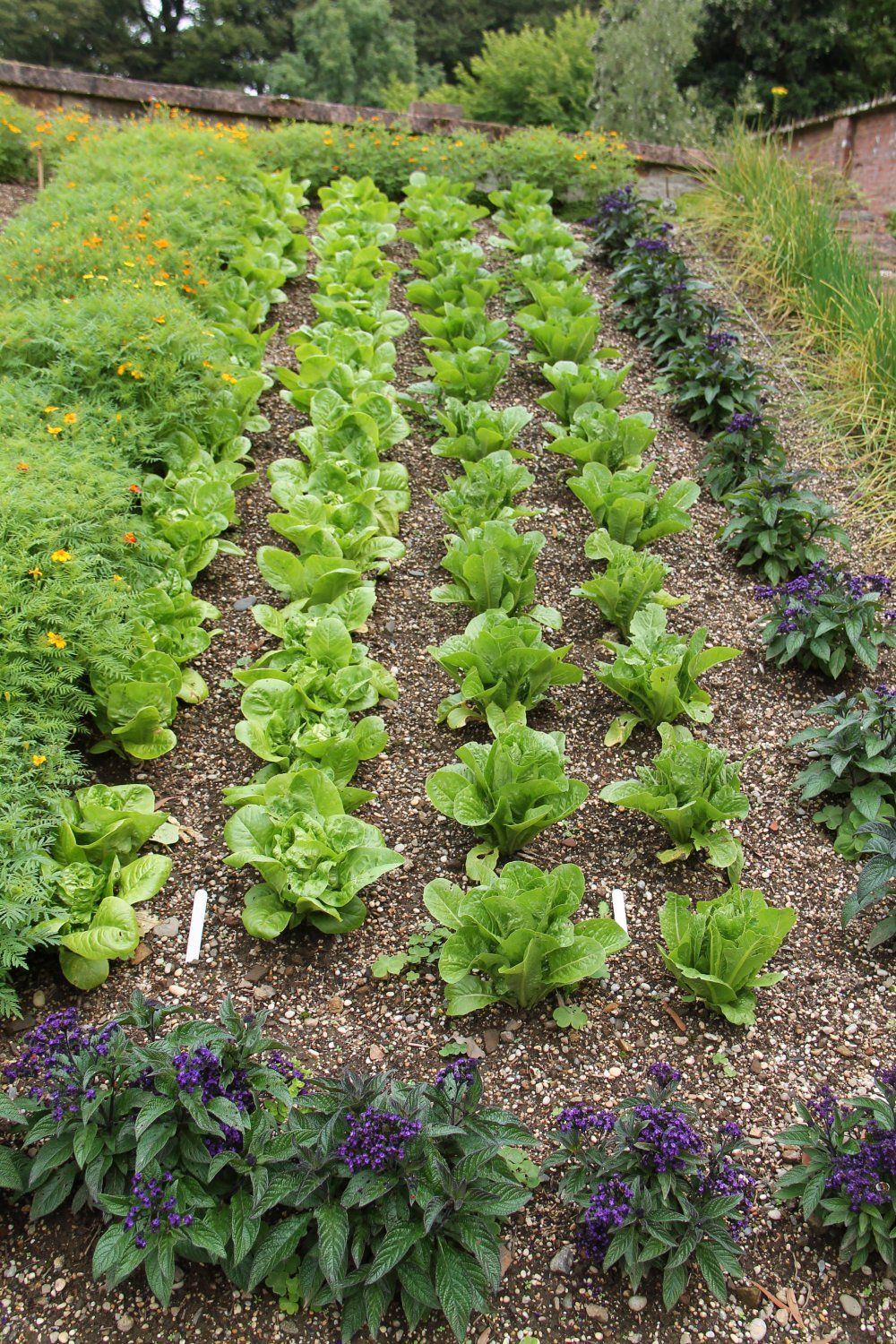
Which Plants to Grow Together?
There are hundreds of guides and infographics online to tell you which plants go well together. Here we will list 5 key combinations for a beginner to get started and enjoy these popular plants:
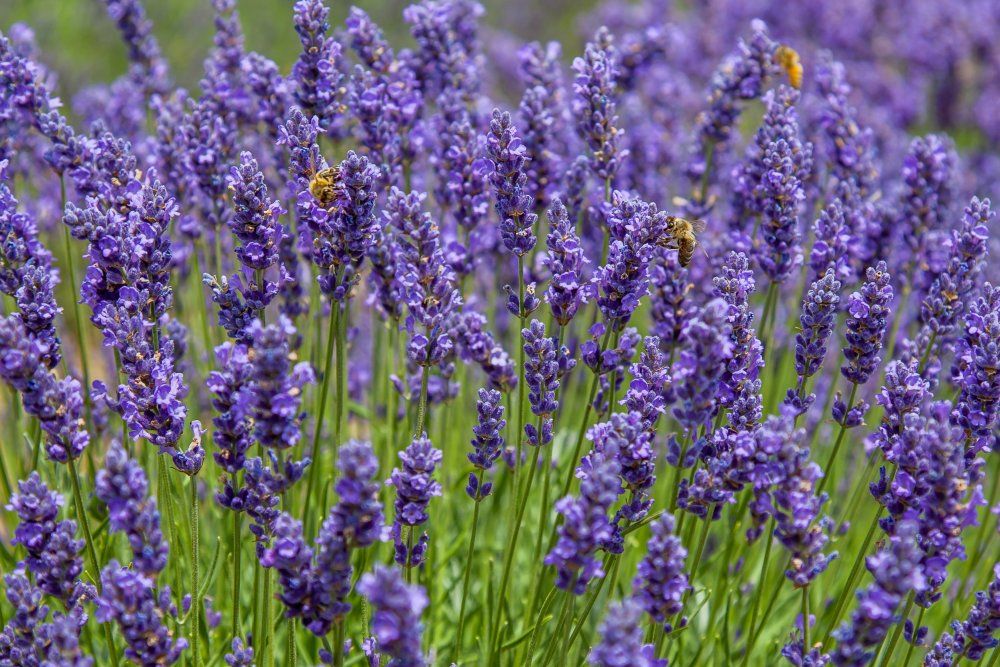
1) Plant lavender with carrots. Lavender will not only attract bees and encourage pollination, but it is a lovely plant to bring into the home as a natural air freshener. The scent of the lavender confuses and deters aphids, which are common pests to carrots.
2) Plant garlic with lettuce, potatoes, celery or cucumber. If you love the taste of garlic, this combination is the one for you. Grow any of these popular and common vegetables next to garlic for increased flavour and yield.
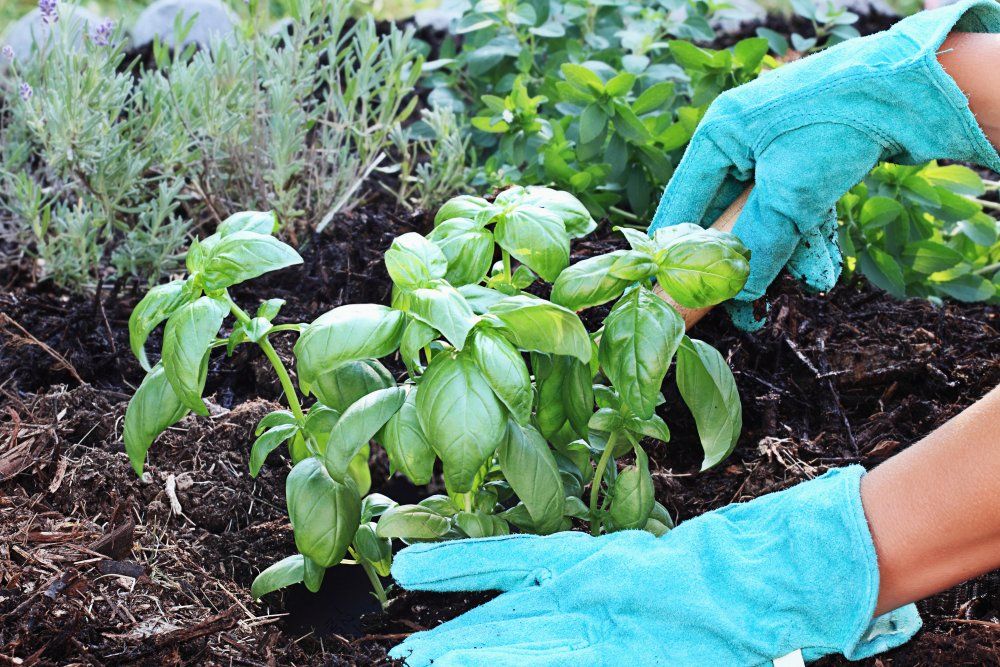
3) Basil grows well with tomatoes, oregano or peppers.
4) Sunflowers are great paired with squash or cucumber. Why not add some sunshine to your garden and then enjoy the healthy benefits of home grown vegetables?
5) Plant asparagus with tomatoes. The tomatoes emit a smell that puts off the asparagus beetle.