
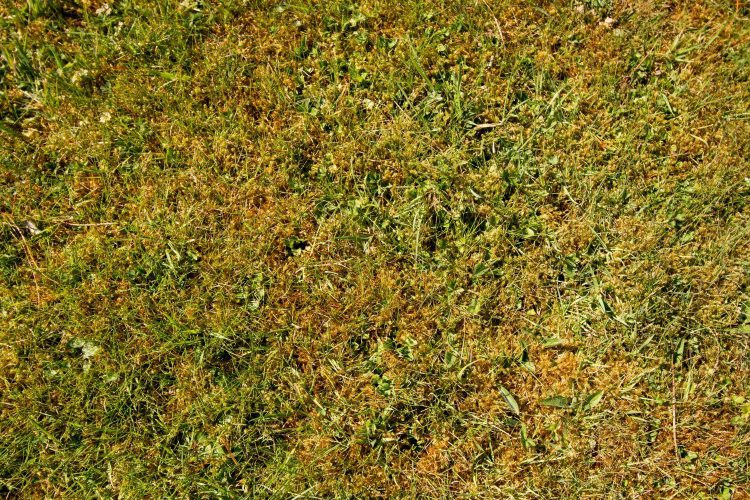
Many of you will have been enjoying this glorious summer weather we’ve been having, giving us the opportunity for long evenings in the garden, BBQs and sunbathing! However, your lawn might not feel the same way. Droughts in summer due to lack of rain can damage a lawn and leave it looking brown and dry. Although this might look dramatic, if your lawn is well looked after and healthy, it should revive quickly given some rainfall, watering or a little TLC.
Why Is My Lawn Brown?
There are usually a few main reasons for your lawn to turn brown, rather than the lush green we aspire to. It will typically be either due to drought or disease, insects and thatch. Lack of rainfall causes stress on the grass, as it doesn’t have enough nutrients to grow. The grass will either go dormant, or it will die off. Typically, a healthy lawn can stay dormant and last without water for 4-6 weeks, but this is dependent on your lawn conditions. You will be able to tell if your lawn is brown due to disease, insects or thatch by consulting your local lawn care expert, who can take a sample of your lawn and assess it. Once they have determined the problem, they will be able to bring your lawn back to its usual green, healthy state with lawn treatments and care.
How to Revive a Brown Lawn
Water is the clear answer here. If you don’t have a hosepipe ban, make sure to regularly water your lawn to provide it with the nutrients it needs. Water your lawn early in the mornings and late in the evenings, to make sure the water doesn’t evaporate in the heat. Even without regular watering in summer, a healthy, well-maintained lawn should still recover once the rainfall begins again in autumn. If your lawn doesn’t fully recover in autumn, extra care might be needed, for which we would recommend a specialist lawn treatment plan from Greensleeves.
Make sure not to mow your grass too short during a dry summer, as you don’t want to put additional stress on the grass. Leave the clippings on the lawn, to act as a natural fertiliser and to slow down evaporation of water from the lawn’s surface.
To aid your lawn during a dry season, our lawn treatment in late summer contains controlled release, no-scorch granules, which require no watering in. This will help to maintain the green strength in the lawn, even through dry periods.
Lawn Care after Drought
Once autumn arrives, you will soon be able to tell whether your lawn will naturally repair itself with rainfall. If it doesn’t, reach out to your local lawn care team for their advice. A course of overseeding may be required, to encourage grass growth in particularly patchy areas.