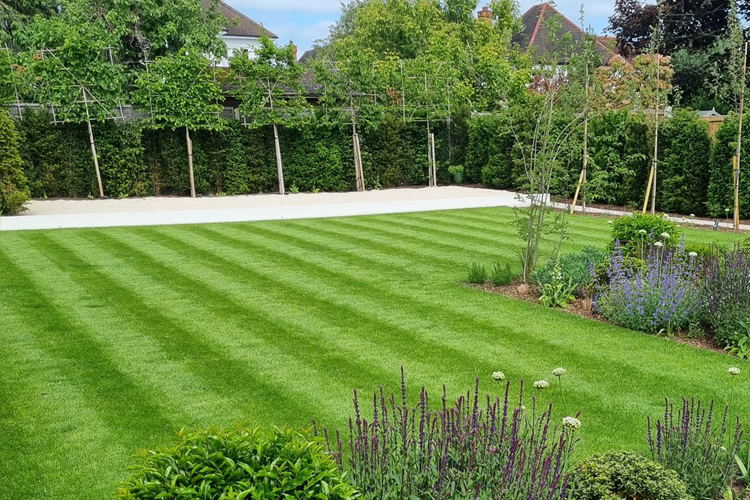

Your lawn should be mowed as regularly as you can do it; at least once per week during the main growing seasons of April ‘“ June and September ‘“ October. This can be relaxed during the height of summer if a drought develops as the growth will slow. However, it is important not to let the grass get too long at any time of the year, including winter, as this will reduce the quality significantly, increase the likelihood of moss invasion and reduce the aesthetic appearance of the grass.
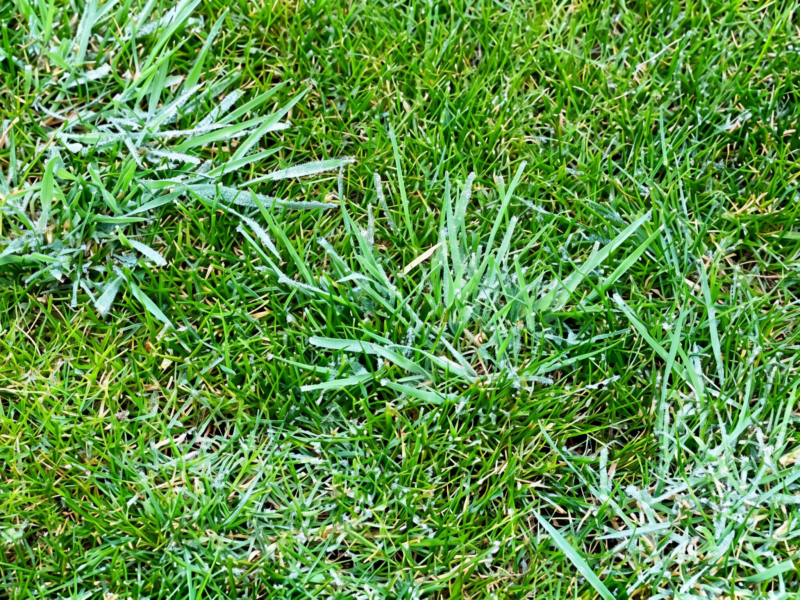
Mowing the grass too short will cause a number of problems such as drying out quickly, loss of colour and allowing invasions of weeds and moss. It will also weaken the plant during drought or heavy use. When deciding what make and model of a lawnmower to buy there are a number of factors you should take into account such as;
1. The size of your lawn
2. Is the lawn flat or sloped?
3. At what height would you like your grass
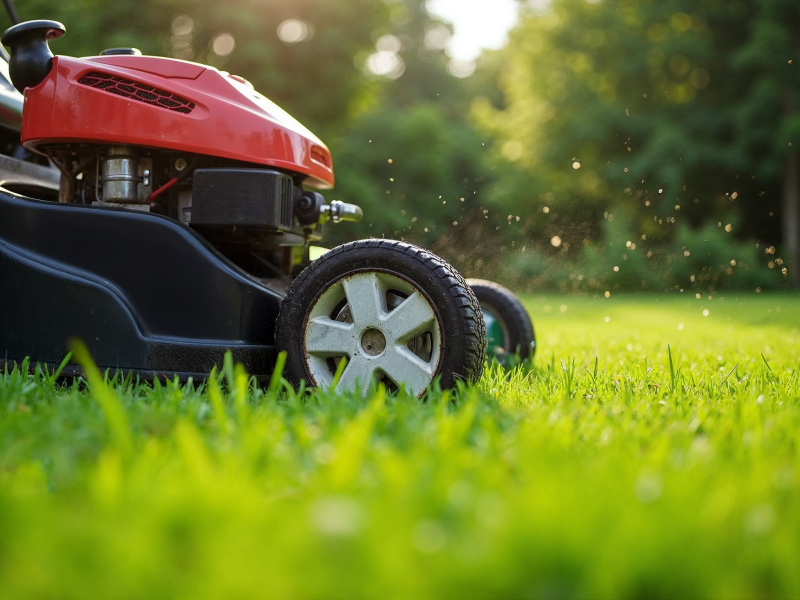
There are a variety of lawnmowers to choose from and the decision is entirely down to what is best for you and your lawn. A cylinder mower is generally one that will give a
fine, high-quality cut but they are often heavy and difficult to use. They also require the ground to be even to cut the grass properly and need to be serviced regularly to maintain their quality.
A rotary mower is a general-purpose all-rounder that will suit most lawns and can come in many different sizes and price ranges. A hover mower is often easier to use as they are lighter and can provide a reasonable cut on uneven ground. Whatever type of mower is used it is crucial to ensure that the blade is always kept sharp.
A family lawn should be cut between 25mm and 50mm (1 and 2 inches) in height, usually setting your mower to one of the higher settings will achieve this. A fine ornamental lawn can be cut to 12mm (1/2 inch).
A good rule to follow is to never remove more than one-third of the leaf at any one time and always remove the clippings as these may encourage thatch and moss. Make sure that you mow your lawn in a different direction each time you cut it – this will strengthen the grass and improve its quality!