
Changeable conditions during spring can make mowing your lawn challenging, but it’s necessary to keep it healthy and in the best possible condition ahead of the summer.
A combination of warmer weather and those infamous showers creates perfect growing conditions for your grass in the coming weeks, which means you’ll need to stay on top of your mowing schedule to keep your lawn looking its best.
1. Mow frequently
During the spring season, grass grows quickly, and it’s essential to make sure you monitor it closely. Depending on your location and the type of grass you have, you may need to mow once a week or more. A good rule of thumb is to examine the blades of grass. You should never have to trim them by more than a third – if you are, your grass is too long.
2. Determine the right mowing height
Different seasons have different mowing requirements, so it’s important to know the differences and adjust the appropriate mowing height. In autumn and winter, when the weather is cooler, mow to a height of 25 to 40mm. In spring and summer, mow to a height of 10 to 25mm.
3. Keep your mower blades sharp
Blunt mower blades can damage your grass and make it more vulnerable to disease. Before you start mowing, make sure your mower blades are sharp and in good condition. If they’re dull or damaged, have them sharpened or replaced before you begin mowing.
4. Don’t mow wet grass
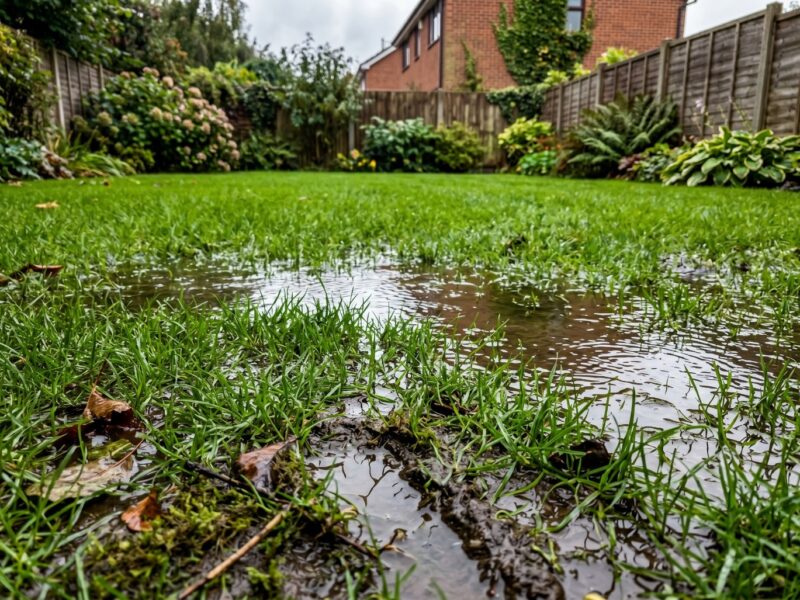
Mowing wet grass is never a good idea since it can damage your lawn and clog your mower’s blades. If it’s rained recently or the grass is wet from morning dew, wait until it dries out before you start mowing.
5. Leave grass clippings on the lawn… well, some of them
Grass clippings are an excellent source of natural fertiliser and can help improve your lawn’s health. Instead of bagging all your grass clippings, leave a minimal sprinkling of them on the lawn to decompose and add nutrients back into the soil. This practice is also good for the environment. It’s a fine line, though, and always err on the side of a small amount. Too much debris on your lawn can lead to suffocation.