

Welcome to the Greensleeves Blog
The Greensleeves blog is the number one place to keep up to date with all things lawn care. Updated throughout the month, you’ll find expert hints and tips from our local lawn care managers to the latest lawn care news from Greensleeves HQ. Our blog is also packed full of inspiration for not only making the most of your lawn but your garden and home.
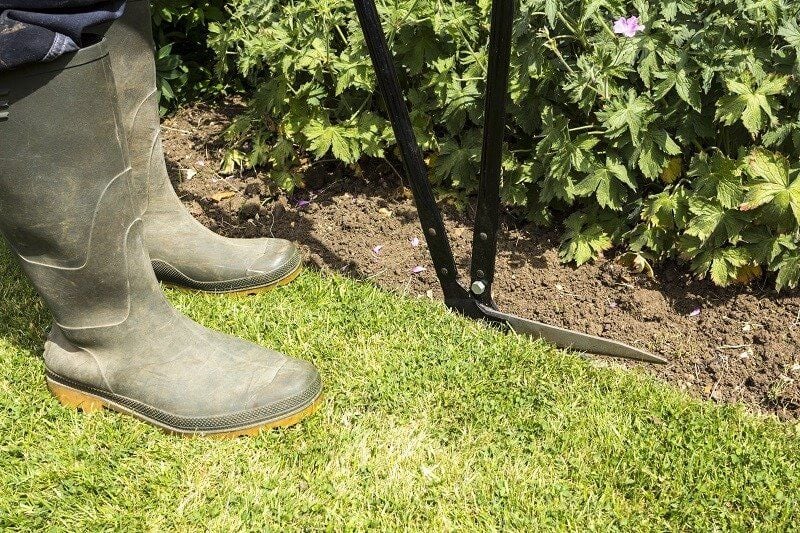
How To Edge A Lawn: Guide To Lawn Edging
Edging a lawn can be as simple as trimming the grass where it meets the patio, stone pavements and other non-lawn features in your garden. It can also entail installing…

Keeping Your Lawn Healthy With Pets
At Greensleeves, we work with pet owners every day. One of the biggest concerns we hear is that having pets makes a great lawn impossible. It doesn’t. It just takes…
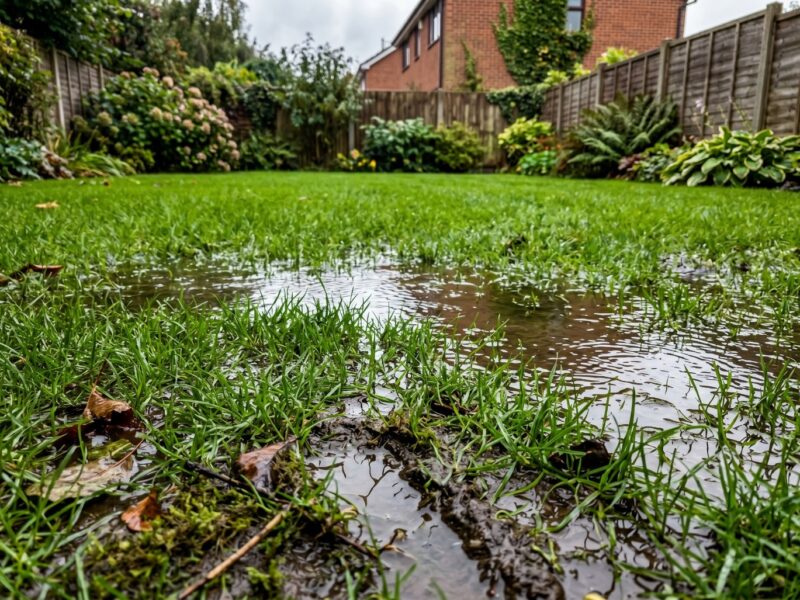
How to Improve Lawn Drainage and Prevent Waterlogged Grass
A healthy lawn relies on proper drainage. When water cannot move through the soil effectively, lawns can quickly become waterlogged, patchy and difficult to maintain. Poor lawn drainage often leads…

How to Keep Patios, Driveways and Decking Clean and Protected
Outdoor spaces can completely transform the look and feel of a garden, but hard surfaces such as patios, decking, pathways and driveways are often overlooked when it comes to regular…
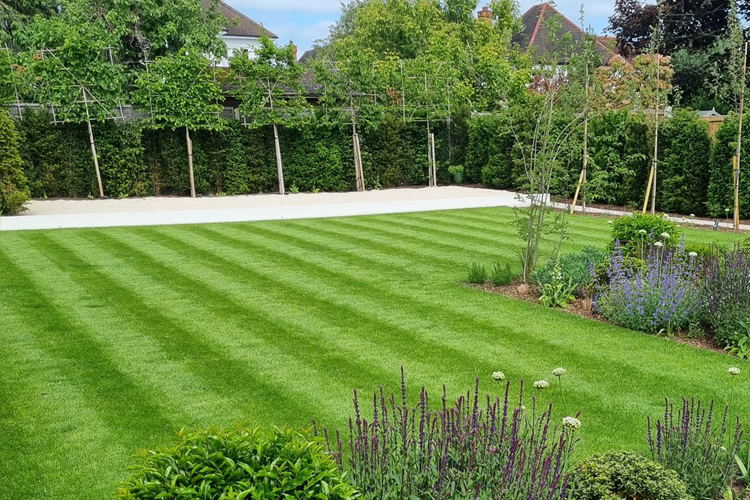
How to get perfect lawn stripes
At Greensleeves, we think the key components that make up a perfect lawn are that it’s vibrantly green, lusciously thick, and weed and moss-controlled. But we also know for many…
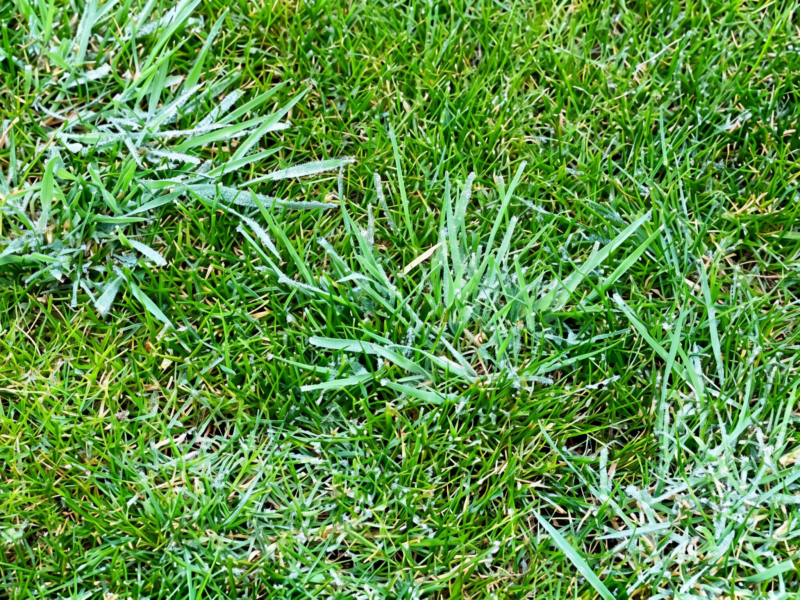
How to Deal with Coarse Grass in Your Lawn
Coarse grass is one of the most common lawn problems in the UK. It’s thicker and tougher than the fine grasses around it, it grows faster, and it doesn’t stop…
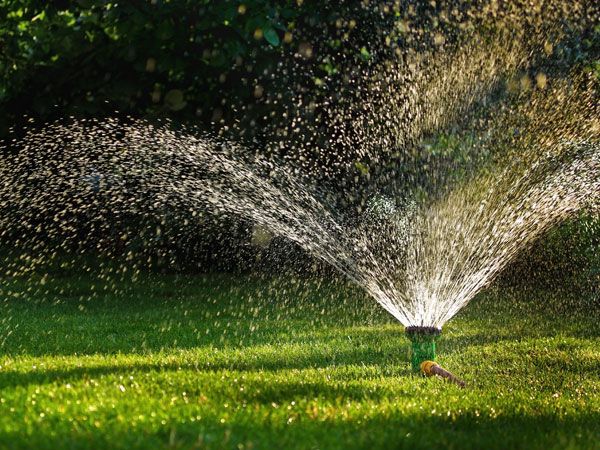
Summer – it’s all about hydration
As summer rolls in, the scorching sun and rising temperatures pose a challenge to maintaining a healthy and vibrant lawn. Effective hydration becomes crucial during this time to ensure your…
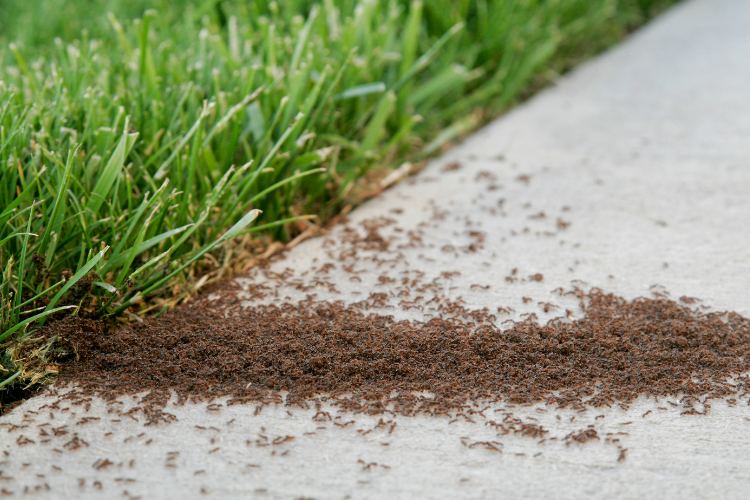
How to get rid of ant hills on your lawn
Ants, while often considered a nuisance, typically cause minimal direct harm to grass. However, ant hills can disturb soil around grass roots and leave deposits on the surface, which can…
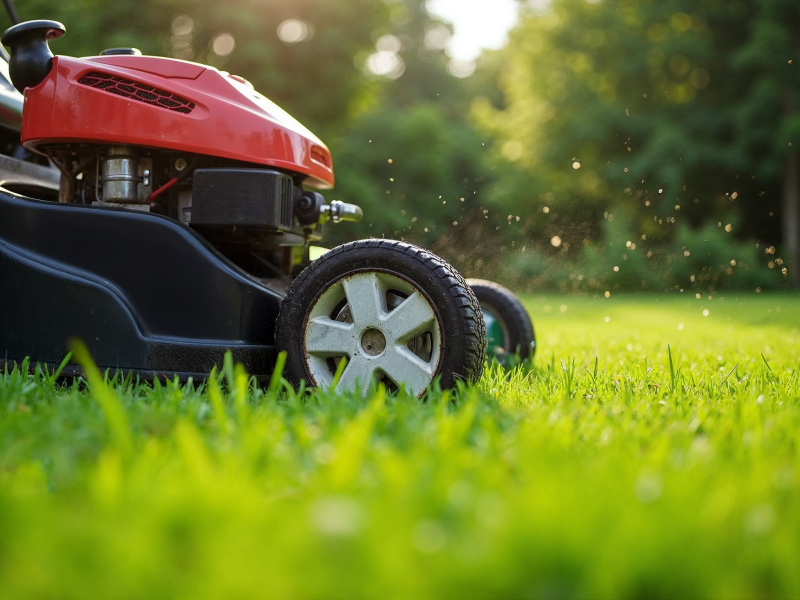
Our top tips for mowing this spring
Changeable conditions during spring can make mowing your lawn challenging, but it’s necessary to keep it healthy and in the best possible condition ahead of the summer. A combination of…
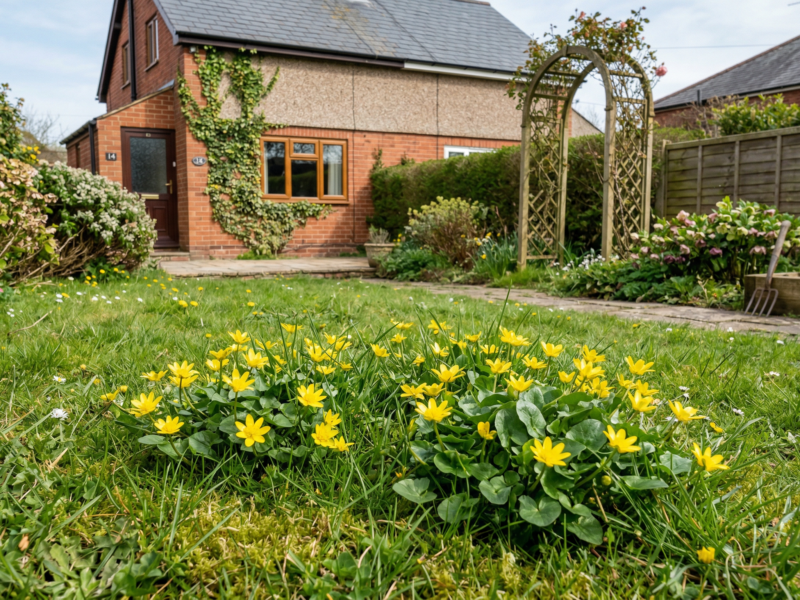
Celandine in Your Lawn? What It Is and What to Do
As the days begin to lengthen and temperatures creep upward, you may notice a small but striking plant appearing across your lawn almost overnight. Known as Celandine (Ranunculus ficaria, also sometimes…
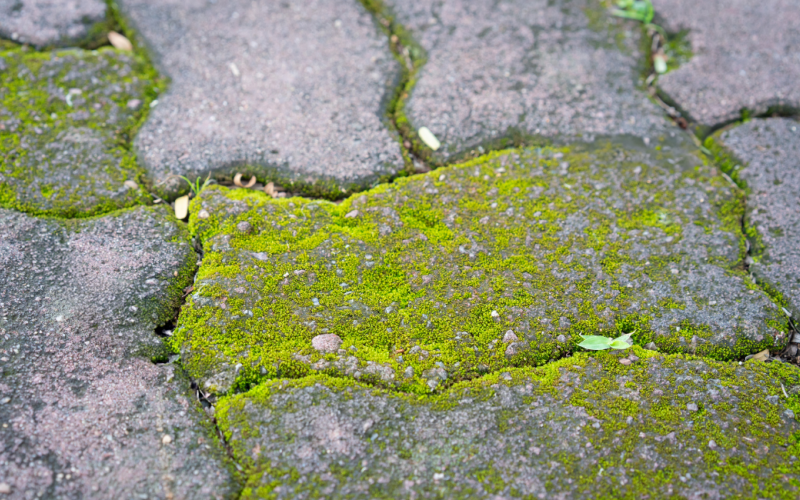
How to Keep Your Hard Surfaces Safe
Over time, moss, algae, and leaves can make surfaces slippery and hazardous, especially during wet or frosty conditions. Regular maintenance isn’t just about appearances; it’s about keeping your garden safe…
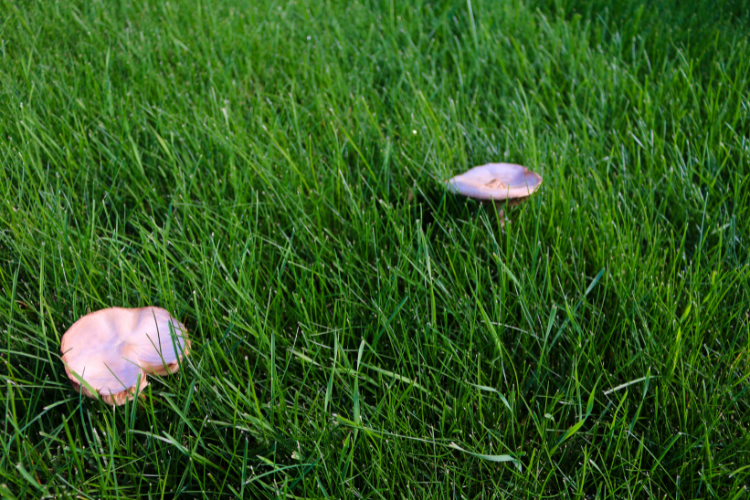
How to get rid of lawn mushrooms, toadstools and fairy rings
Lawn mushrooms, toadstools, and fairy rings are a common sight, especially after rainy periods or when the soil is rich in organic material. While they aren’t typically harmful to your…