
If you’re looking for an introduction to gardening or vegetable growing, raised flower beds are a fantastic place to start. They offer a wide number of benefits without many of the difficulties of growing plants in traditional gardens or beds. Follow these tips and tricks to create successful and visually appealing raised beds.
Benefits of Raised Flower Beds
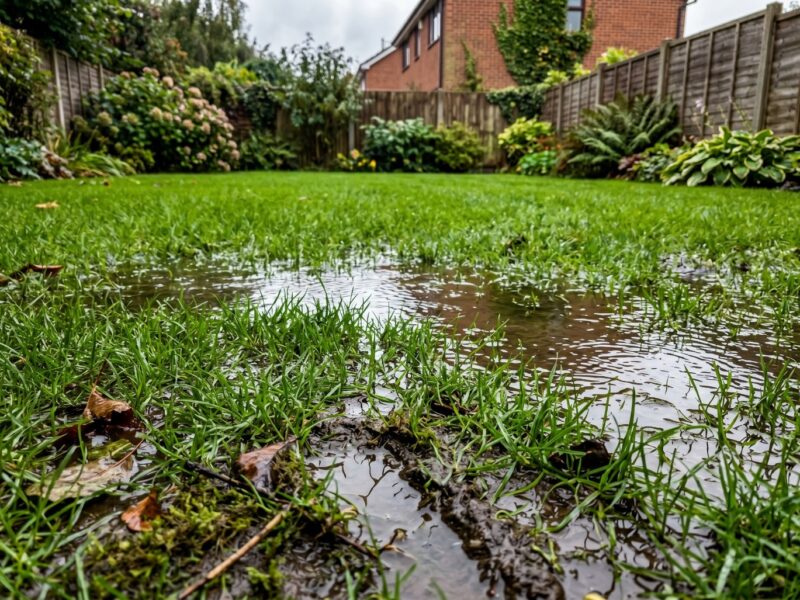
When you start gardening with a raised bed, you’ll realise how much easier it can be and the multitude of benefits that it brings. You can choose the placement of the bed, to ensure that your plants are getting a good and even amount of sunlight all year round. Plus, they help tackle areas that have poor water drainage, which can lead to other waterlogging issues. For those gardeners who have lesser mobility, or struggle to bend down to the lower levels of their garden, a raised bed gives you a higher gardening option that is less strenuous on your back and body. You can space out the beds to make sure you have plenty of room to move around and do any required tasks in the garden.
Having a separate bed also allows you to ensure the soil is of the best quality for your plants. If you have poor soil quality in your garden, it can be difficult to cultivate the best environment to have successfully growing plants. But with a raised bed, you can start afresh with some healthy and nutrient-rich soil, plus it is easier to add composts and lawn feed to a smaller area. The bed won’t have the same compaction issues as a lawn, reducing the need for any aeration or scarification that a lawn so often needs. Weeds and pests are also much more manageable in a smaller area than in a larger garden space.
Create Your Own
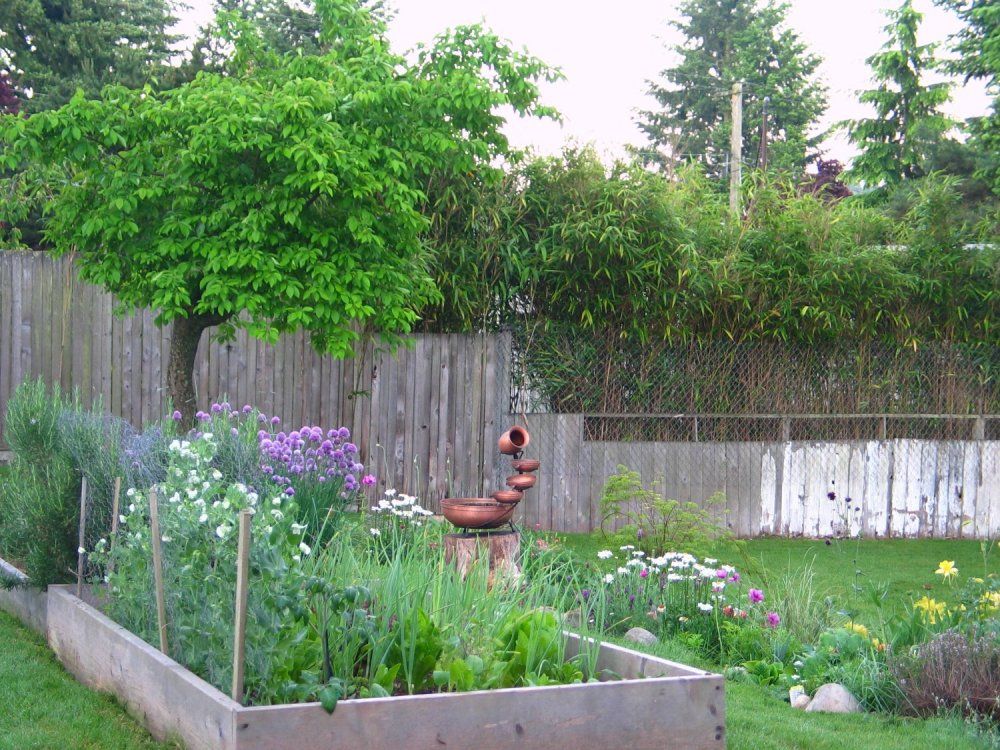
Once you’ve chosen the perfect place for your new garden feature, you need to decide between building it yourself with various materials or buying a pre-made structure. If you’re building it yourself, make sure it stands around 6 to 12 inches high, to ensure that your newly growing plants have room to expand and grow their roots. You can always adjust this height to suit your garden or your personal needs better. There are many types of raised beds on the market, with different materials used to create the border. If you’re looking for something a little more budget, opt for timber or treated wood. Stone and brick are more durable, but are usually much more expensive.
Before you start building your own, make sure to mark out the area you plan to put it on and level out the ground, making sure to remove any large stones, existing plants or weeds. Dig up any grass that may be in that area. Either cut yourself or buy pre-cut corner posts and planks. Screw the planks into the corner posts, using wood screws that are suitable for outdoor conditions. Staple either a mesh or a layer of polythene to the bottom, but if you use polythene don’t forget to add holes for drainage.
Sink your new structure into the intended location, making sure it is securely placed. Fill it with nutrient-rich soil and organic matter. You can then place your plants in, loosely adding soil around them so that they are secure but water will still be able to soak through. Once everything is in place, you can get creative! Try out new vegetables, fruits or flowers that you haven’t tried before.