
If you’re seeing little coils of soil on your lawn, you’re likely dealing with worm casts, the by-product of earthworm activity. While they indicate a healthy ecosystem, they can be unsightly and interfere with mowing. Here’s how to reduce their appearance and restore a neat green lawn.
What are worm casts?
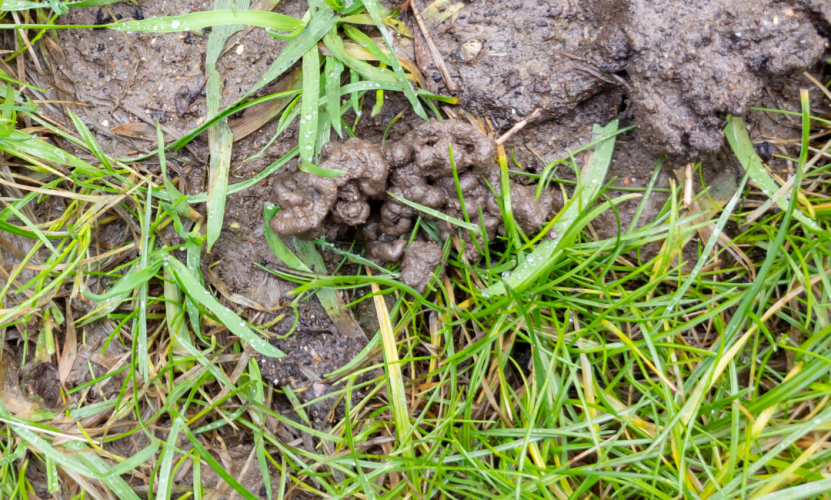
Worm casts (also called earthworm droppings or soil mounds) are small heaps of soil deposited on the surface by earthworms as they digest organic material and tunnel underground. They enrich the soil with nutrients like nitrogen, phosphorus and potassium.
However, on closely-mown or ornamental lawns they can smear when cut or walked on, potentially inviting moss or weed growth.
Why they occur
- Worm activity increases in cool, damp conditions (early spring and autumn) because moist soil near the surface is favourable.
- In very hot, dry or freezing conditions, worms stay deeper in the soil and fewer casts appear.
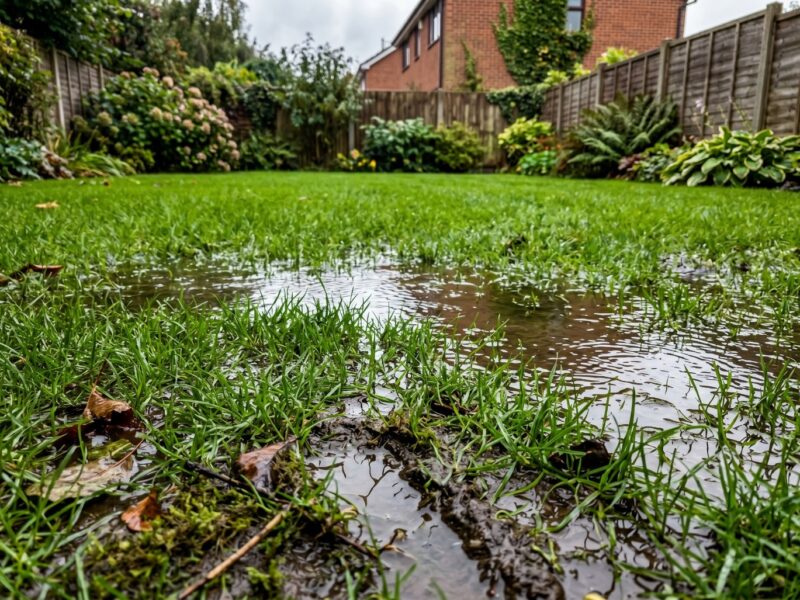
- Compacted or poorly drained soils may force worms closer to the surface seeking oxygen and moisture, increasing visible casts.
6 Steps to Control Worm Casts on Your Lawn
- Wait for dry conditions and brush the casts off
Once the casts have dried, gently sweep them with a soft rake or stiff-bristled brush. Doing this while the soil is still wet can smear the casts and cause compaction or uneven mowing surfaces.
- Raise your mowing height during high worm-activity periods
Cutting the grass slightly higher during periods when worm activity is high helps reduce the visual impact of casts and prevents mower blade from dragging wettish soil mounds.
- Remove excess organic debris (leaves, clippings, etc.)
Earthworms are drawn to decaying organic matter. Clearing fallen leaves, old grass cuttings and other debris makes your lawn less enticing for surface tunnelling and cast-production.
- Aerate the lawn to relieve compaction
Aeration opens up the soil, improves drainage and oxygen flow, and reduces the necessity for worms to surface. When compaction is reduced, fewer visible casts will appear.
- Improve drainage and moderate watering
Moist, poorly drained soils attract worms to the surface. Ensuring your lawn has good drainage and reducing excessive watering will help discourage surface worm activity, while still maintaining healthy grass.
- Accept some worm activity for soil health
Remember that worms help your lawn by improving soil structure and nutrient content. Completely eliminating them is neither practical nor desirable. Focus on managing visible casts rather than eliminating worms altogether.
By combining these steps, you can strike the right balance between maintaining a tidy lawn and supporting the vital soil life beneath it. Worm casts may be a minor nuisance on the surface, but the earthworms creating them are quietly working to keep your lawn healthy from the ground up. With regular care, good drainage, and balanced maintenance, you can enjoy a smooth, green lawn without compromising the natural processes that sustain it.