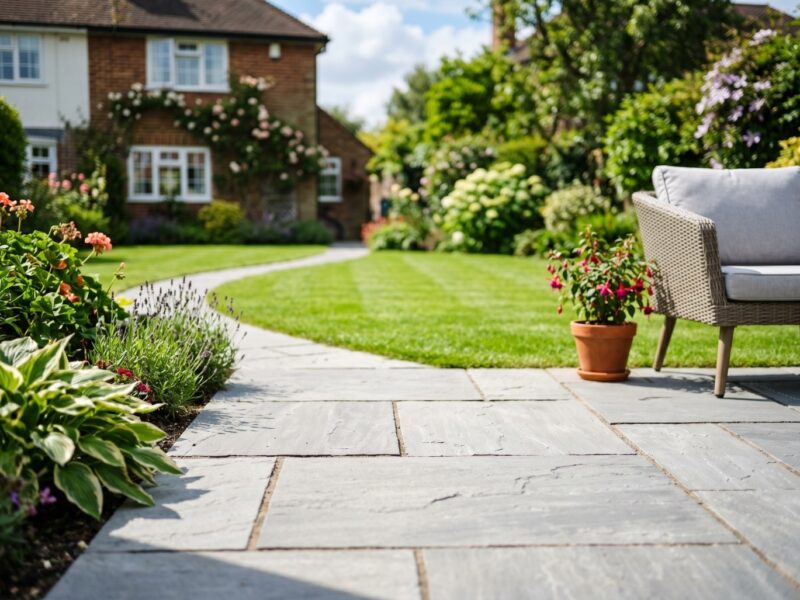

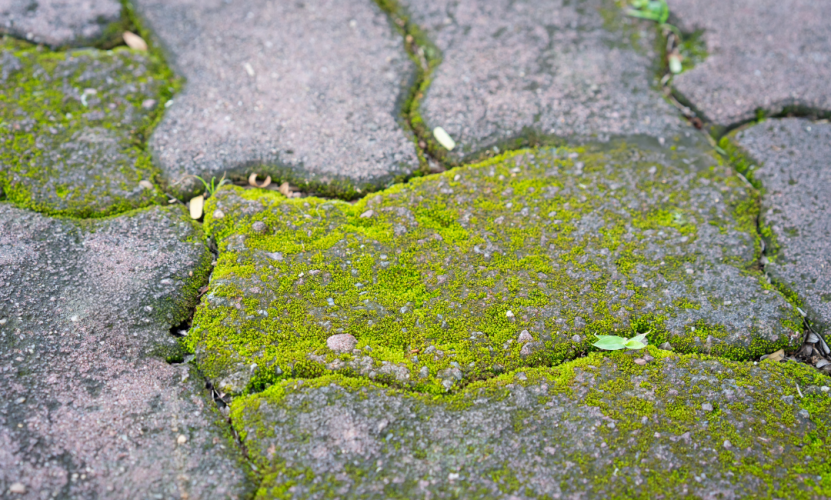
Over time, moss, algae, and leaves can make surfaces slippery and hazardous, especially during wet or frosty conditions. Regular maintenance isn’t just about appearances; it’s about keeping your garden safe for everyone.
Why Safety Matters
Moss, algae, and wet leaves create a hidden risk. Even light growth can make surfaces dangerous, particularly for children, elderly visitors, or anyone carrying heavy items. By keeping hard surfaces clear, you prevent accidents, reduce liability, and make your outdoor spaces safe for everyone.
When to Check Your Surfaces
Timing is key to reducing hazards:
- After wet weather or frost – Surfaces are most slippery when damp or frozen.
- Autumn – Fallen leaves and organic debris increase risk.
- Shaded or sheltered areas – Moss and algae thrive where sunlight is limited, so these spots need regular attention.
A simple seasonal check is often enough to identify and treat problem areas before they become dangerous.
How to Make Surfaces Safer
1. Clear Debris Regularly
Leaves, twigs, moss, and dirt can hide slippery patches and trap moisture. Sweeping regularly ensures surfaces are visible and firm underfoot. For larger areas, use a stiff broom to remove debris from gaps between paving slabs or decking boards. Clearing debris also reduces the likelihood of moss or algae taking hold, which is particularly important in shaded areas.
2. Spot-Treat Moss and Algae
Even a small patch of moss or algae can be hazardous. Treating problem areas early prevents growth from spreading:
- Use eco-friendly options like vinegar or baking soda for small spots.
- Specialist moss and algae removers are highly effective for larger areas.
- For timber decking, ensure treatments are suitable for wood to prevent surface damage.
Spot-treating regularly keeps surfaces dry, firm, and slip-resistant, reducing the risk of accidents.
3. Keep Surfaces Dry Where Possible
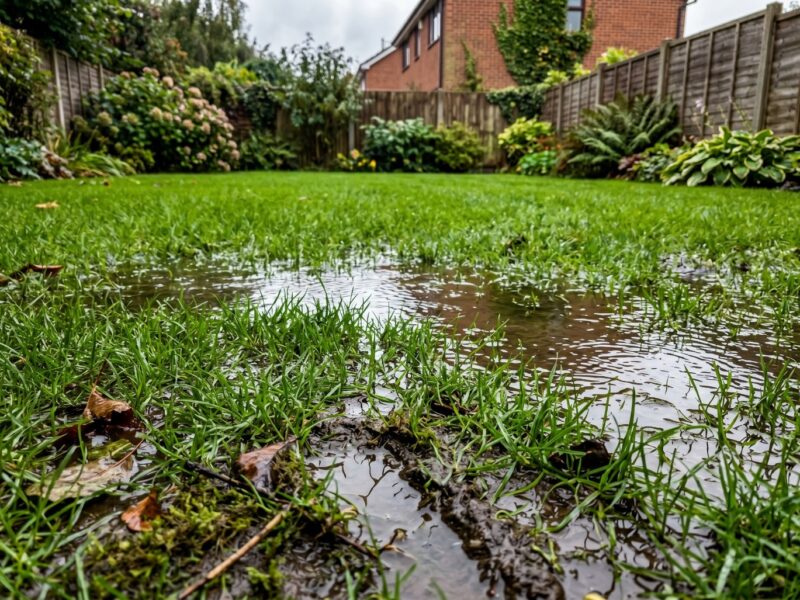
Standing water is a major cause of slips. Simple steps can make a big difference:
- Ensure drains and gutters are clear, so water doesn’t pool on paths or patios.
- Remove low spots where water collects, and adjust planters or garden features to improve drainage.
- For decking, avoid placing heavy mats or pots in areas where water can become trapped, as damp surfaces promote moss growth.
Maintaining dry surfaces significantly reduces the likelihood of slips and keeps your garden safe throughout the year.
4. Inspect Frequently
Regular inspections help identify hidden risks before they become hazards:
- Look for cracks, uneven paving, or loose boards that could cause trips.
- Identify areas where moss or algae tend to return quickly and plan regular spot treatments.
- Check shaded corners, under plants, and around edges where water tends to accumulate.
Addressing these issues promptly ensures surfaces remain secure and accident-free, reducing the likelihood of injuries.
How Greensleeves Can Help
For a fast, safe, and effective solution, our hard surface moss & algae control is the perfect addition to your garden safety routine.
- Effectively reduces moss, algae, and lichen
- Helps prevent slip hazards, keeping surfaces firm underfoot
- Safe for a variety of hard surfaces, including patios, decking, and paths
Using a professional hard surface moss & algae control as part of your regular routine ensures your outdoor spaces remain safe, attractive, and slip-free, even during the wettest or frostiest months.
Not a Greensleeves customer yet? Measure your lawn and hard surfaces, and receive your instant quote today!