

World Mental Health Day is a chance to reflect on the small, everyday things that help us feel calmer, happier, and more resilient. One of those things might be closer than you think: your lawn and garden.
Across the UK, studies show that access to green spaces, from private gardens to public parks, makes a measurable difference to our mental wellbeing. Here are five ways your lawn and garden can support your mind as well as your home.
-
Stress Relief in Green Surroundings
Spending time in nature has a measurable effect on stress. At the RHS Wellbeing Garden in Surrey, participants engaged with plants using sensory prompts, touching leaves, observing flowers, and listening to rustling foliage. After just 20 minutes, many reported feeling calmer and more relaxed.
Even smaller green spaces, like your garden, can help reduce tension. The simple act of looking at plants, hearing birds, or noticing seasonal changes provides a natural way to step away from daily pressures.
-
Gardening Lifts Mood
It’s not just seeing greenery that helps, engaging with it matters. Gardening offers physical activity, creativity, and a sense of accomplishment.
According to research from the RHS, people who garden regularly report higher levels of happiness and lower feelings of depression. Even light gardening, such as planting flowers or trimming hedges, can release endorphins and create a calming, restorative experience.
-
Green Space Protects Against Anxiety & Depression
Where we live can influence mental health. A large-scale study in Wales analysed the proximity of residents to parks, rivers, and other natural areas. People living closer to green or blue spaces had lower rates of anxiety and depression.
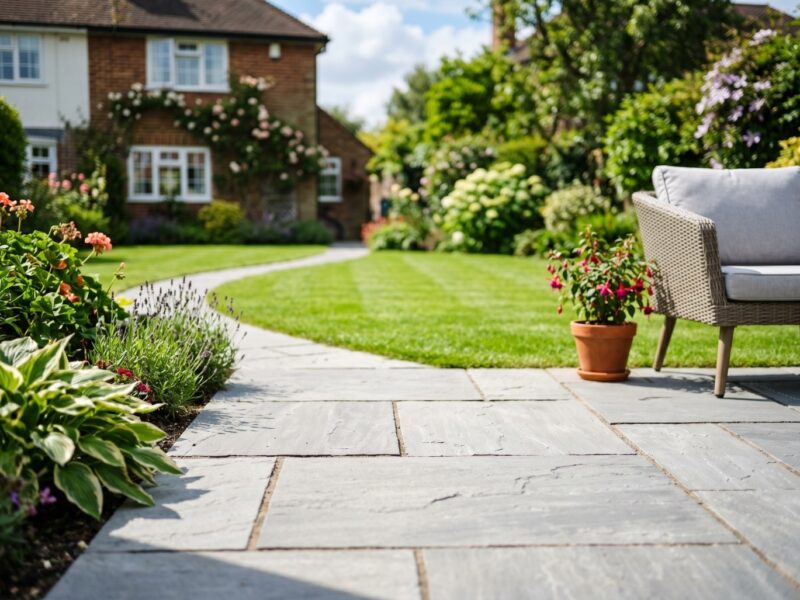
Your garden or lawn can be a small, daily green refuge. Stepping outside, even for a few minutes, provides similar benefits as visiting a park. Regular contact with nature helps maintain mental balance and supports emotional wellbeing.
-
Gardens Restore Energy
Gardens are a place to recharge. During the COVID-19 lockdowns, Cardiff University found that UK residents with access to private gardens reported feeling calmer, peaceful, and energetic compared to those without gardens.
Even short walks, sitting with a cup of tea, or tending to plants can restore energy and reduce mental fatigue. Being surrounded by greenery gives the mind a chance to slow down and reset.
-
Long-Term Life Satisfaction
The benefits of green spaces are not just short-term. Longitudinal research from the University of Exeter found that people living in greener neighbourhoods reported higher life satisfaction and lower mental distress over time, even when controlling for income, housing, and health.
This shows that consistent access to gardens or nearby parks contributes to sustained wellbeing. Small daily interactions with nature,watering plants, walking barefoot on the grass, or simply noticing flowers, add up to a healthier, happier life.
Lawns and gardens are more than decorative features. They offer a simple, accessible way to reduce stress, lift mood, and protect mental health.
On this World Mental Health Day, take a moment to step outside, enjoy the greenery around you, and notice the calming effects. Whether it’s a private garden, a shared lawn, or even just a potted plant by your window, green spaces are a small daily investment in your wellbeing.